Briefing IV
The Coloured Stones
Sapphire. Ruby. Emerald. Colour first — origin always.
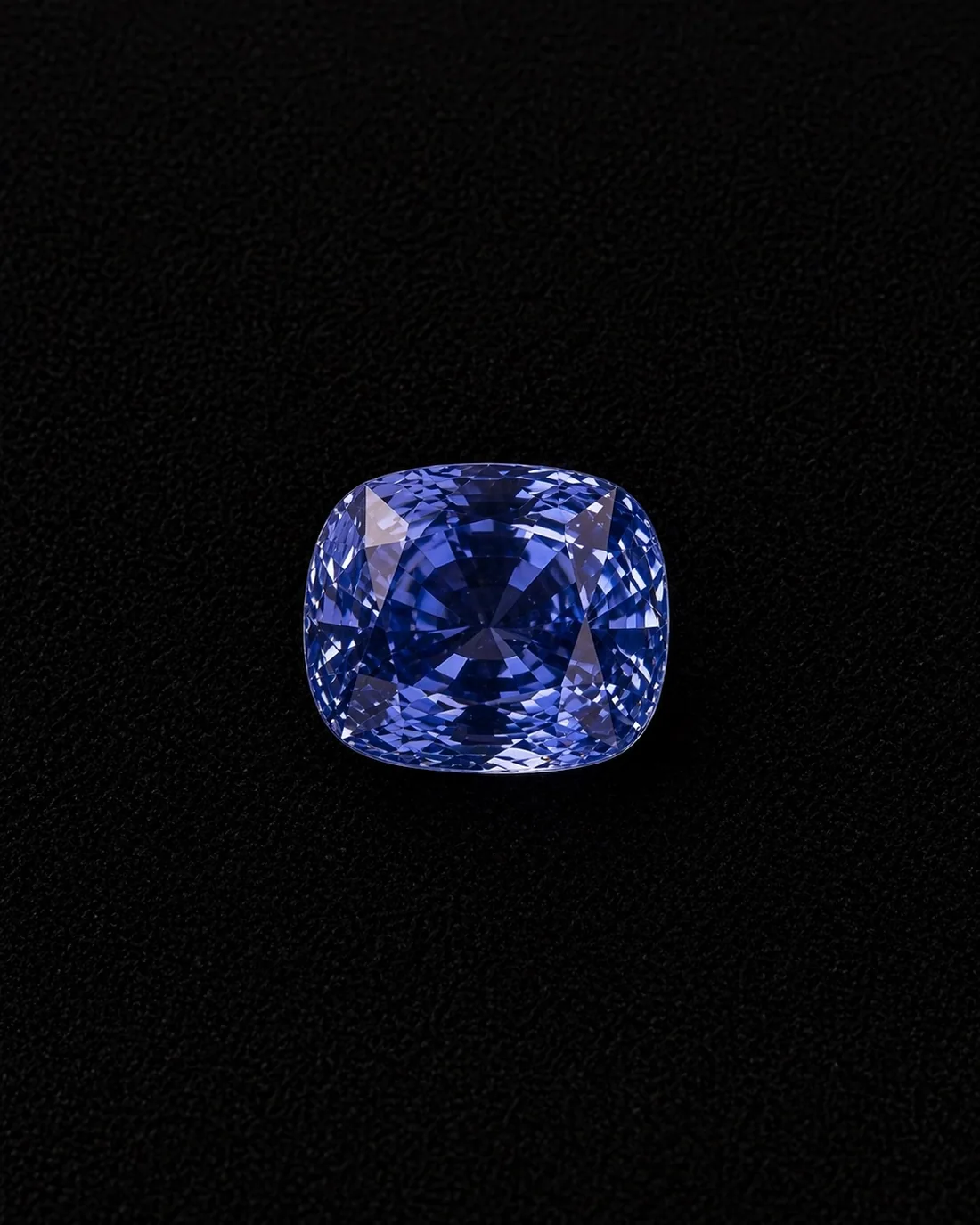
The First Stone
Sapphire, by daylight
Corundum, coloured by iron and titanium. Nine on the Mohs scale — a stone made for every day of a long life.
- Kashmir — the historic pinnacle. A velvet blue mined for a few short years; the benchmark every sapphire is still read against.
- Ceylon — the living classic. Cornflower blue with light inside it — vivid, never dark.
- Madagascar — the new chapter. Discovered within living memory; its finest stones now stand beside the old origins.
The Second Stone
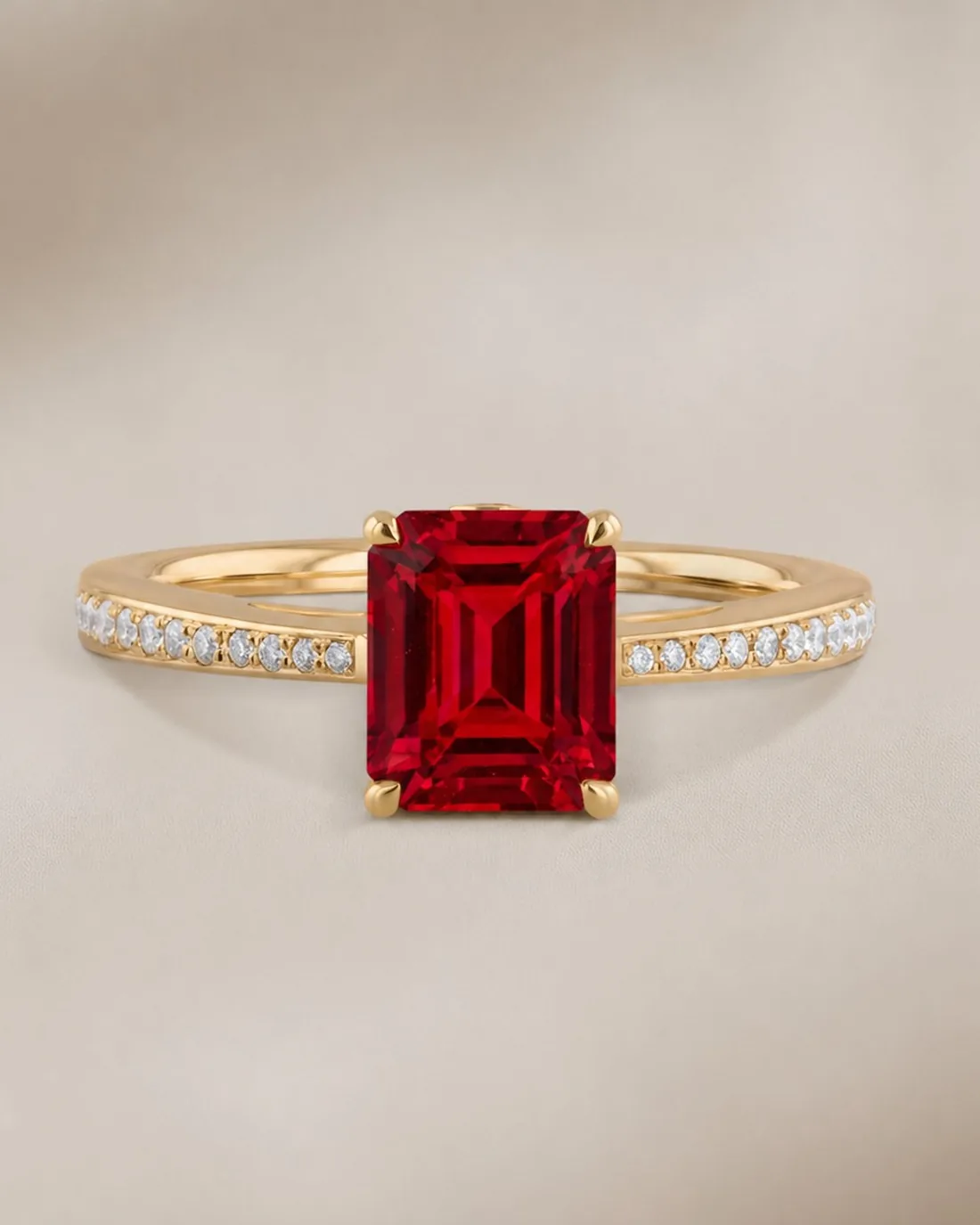
Ruby, the red corundum
The same mineral as sapphire — chromium turns it red, and the red earns its own name.
- Burma — the reference origin. The Mogok valley set the standard centuries ago and has not surrendered it.
- Pigeon's blood — a colour, not a slogan: pure red, faintly blue, glowing under daylight.
- Hardness — nine on the Mohs scale. An heirloom that works for a living.
The Third Stone
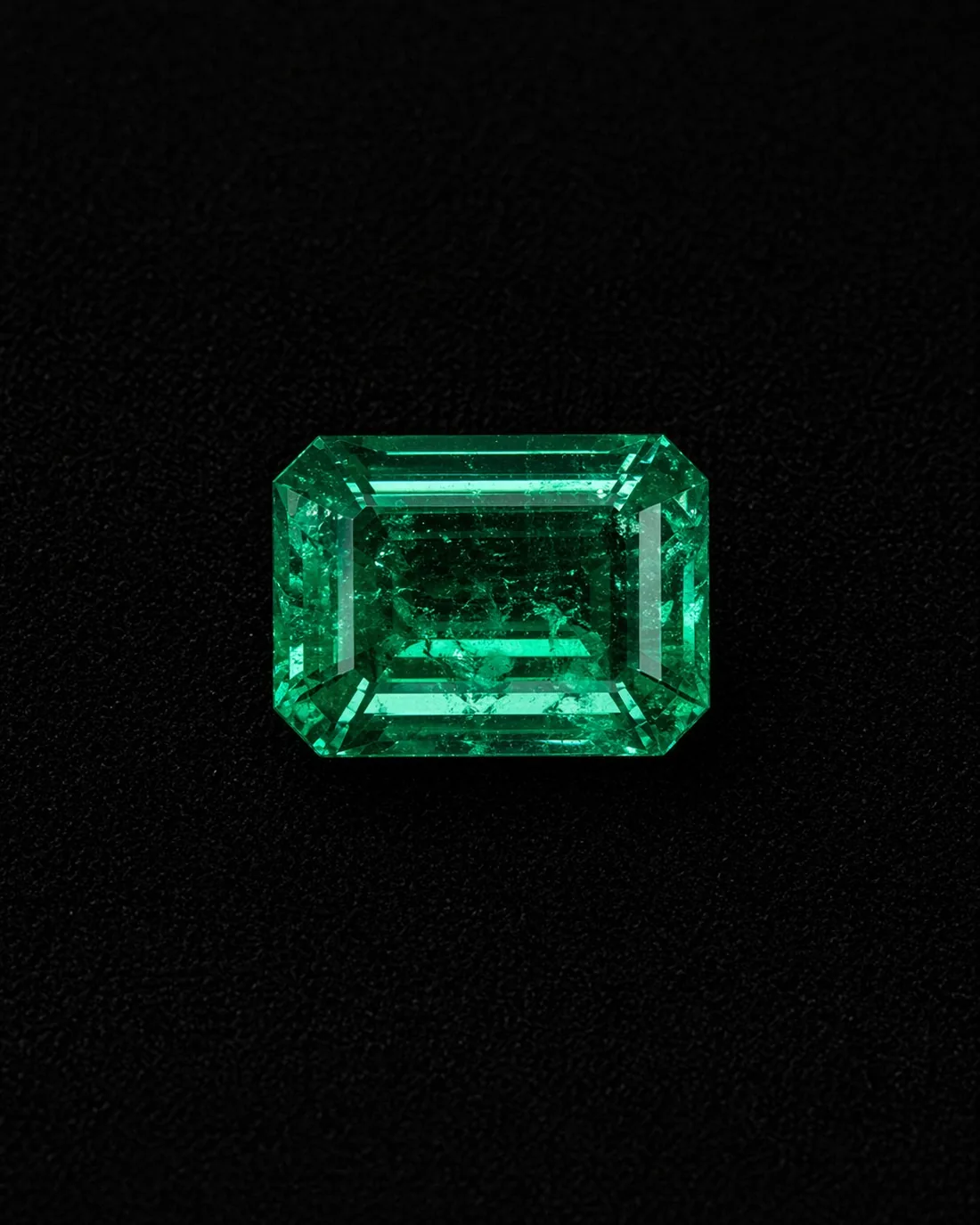
Emerald, the garden kept
Beryl, coloured by chromium and vanadium. Softer than corundum — set with judgement, worn with intent.
- Colombia — the reference origin. Muzo green carries warmth where other sources run dark.
- The jardín — the inclusions are the stone's signature, not its flaw. We do not erase what the earth wrote.
- Oil — most emeralds are oiled; the untreated stone is rare, and named as such in writing.
What the briefing cannot answer, an audience can.
Begin the Conversation